
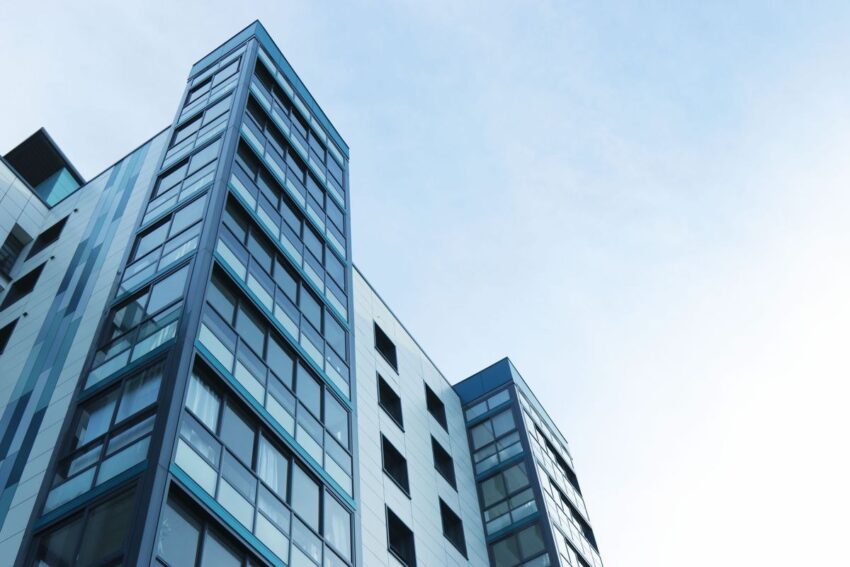
Kuchai Lama living is a commute calculus first
Buyers drawn to Kuchai Lama usually want faster access into the city without paying KLCC prices. That trade only works if your real routes are tested at peak hour, not imagined from a Saturday drive. Pages that catalogue a Kuchai Lama condo for sale overview should be read beside your own timing notes for office, school, and weekend errands.
Stand at the entrance during rain. Watch how cars queue for the junction. Ask about visitor parking rules before you fall in love with a high-floor view. A beautiful lobby does not shorten a jammed exit.

Bring a tape measure even when floor plans look generous. Odd angles and thick walls shrink furniture options. Check whether the kitchen can take a full fridge without blocking the walkway. Small layout frictions become daily arguments after renovation budgets are spent.
New project claims need a boring checklist
Launch marketing emphasises lifestyle decks and artist impressions. Your checklist should emphasise title type, expected completion risk, sinking fund logic, and what finishes are truly included. Notes about a Kuchai Lama new property briefing help when they surface layout efficiency and service charge assumptions, not only skyline adjectives.
Malaysia’s National Property Information Centre data on overhang and completions is a cold shower worth taking. If the wider district already carries heavy unsold stock, your exit options narrow even when the show unit sparkles.
Ask for the latest schedule of parceling and any shared facilities that multiple towers will use. Crowded gyms and contested BBQ pits become daily irritations that listing photos never show.
A KL-focused discussion of condo supply density and why rental competition can intensify in busy corridors.
Listen for highway noise with the balcony door open and closed. Ask neighbours about overnight lorry traffic and weekend wedding venues nearby. Night soundscapes rarely appear in daytime showcases. If you work night shifts, those details matter more than infinity-pool photos.
Old Klang Road adjacency is not the same address
Old Klang Road and Kuchai Lama sit in related conversations about mid-south KL living, yet traffic patterns and amenity mixes differ street by street. A project homepage that frames this Old Klang Road area project hub is a starting map. Still walk the last kilometre yourself, including night lighting and flood-prone dips.
Housing ministry materials via KPKT are a reminder that strata living comes with governance duties. Read the draft house rules. Ask how the joint management body handled recent disputes. Soft culture predicts your weekends more than marble counters.
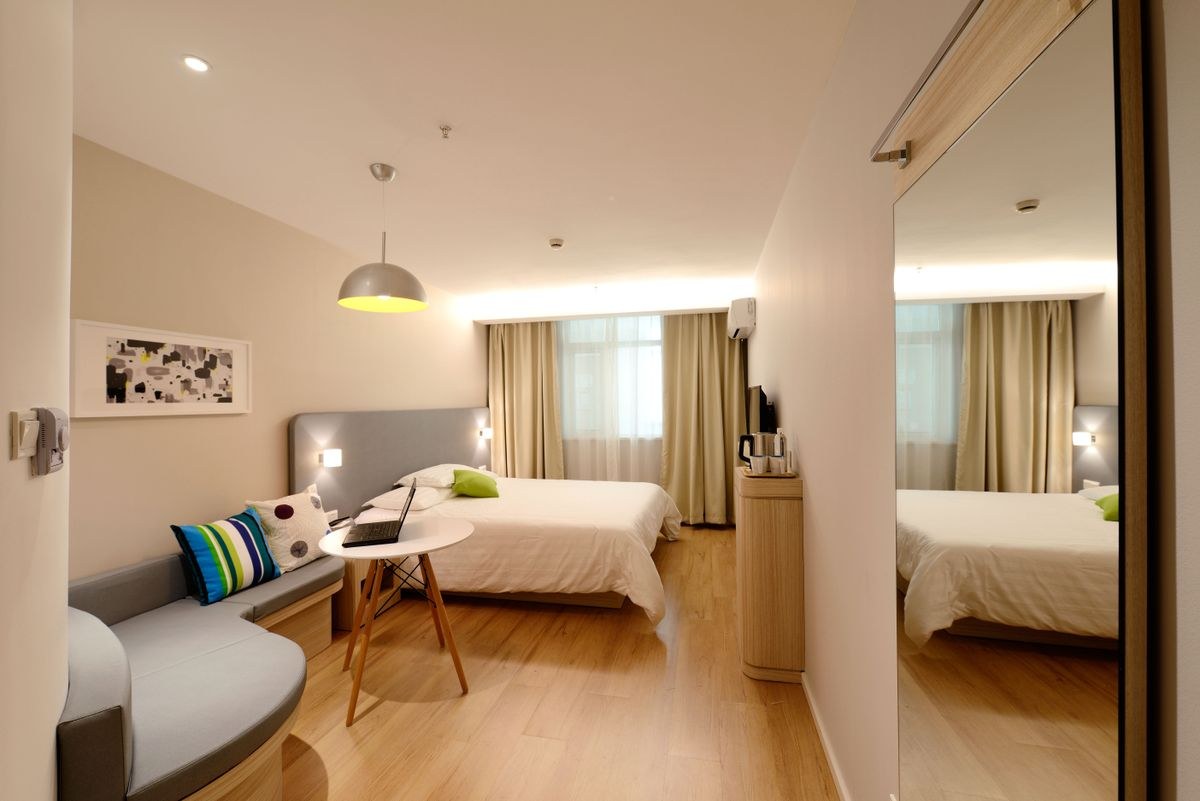
Compare at least two completed buildings within a ten-minute walk for service charge levels and facility upkeep. A newer tower with neglected corridors is a warning about management quality. Speak to the guardhouse about delivery rules and renovation hours if you plan early works.
Fees, layout and heat: the quiet deal-breakers
Compare net usable space after odd corridors and oversized balconies you will rarely furnish. Ask which rooms become ovens in the afternoon. Confirm air-cond ledges and outdoor unit placements. Service charges and sinking funds should be modelled for five years, not one honeymoon year of promotions.
If you plan to rent the unit out, speak to two local agents about realistic rents for the exact size band, not for a penthouse fantasy. Then subtract vacancy, agent fees, and maintenance before you call it yield.
Price in furniture, curtains, and appliance packages before you congratulate yourself on a “deal”. Empty units look larger and cheaper than lived-in reality. Keep a buffer for defects liability surprises even when a warranty exists, because chasing contractors still costs time.
A practical viewing plan
Book two weekday peak visits and one weekend walk. Photograph defects with dates. Request the latest maintenance accounts if buying completed stock. For new launches, list every inclusion in writing. Share the file with whoever co-signs the loan so decisions do not reset every family dinner. Kuchai Lama can work well when the commute and fee maths stay honest.